
The phone wouldn't stop buzzing... "I feel like the phone is harassing me”, a client told therapist Miranda Rock,
Another client woke in a hospital after collapsing at work.
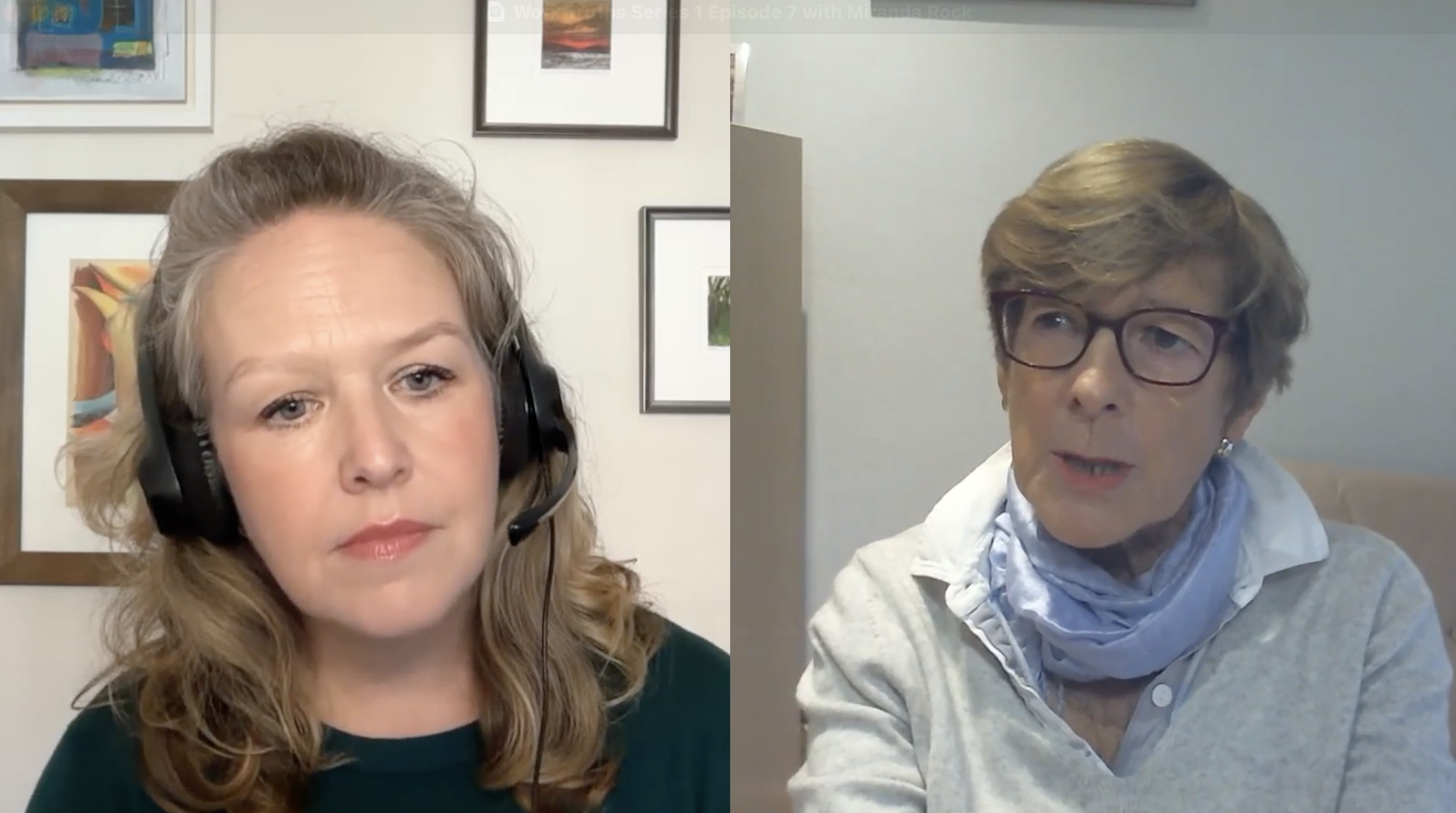
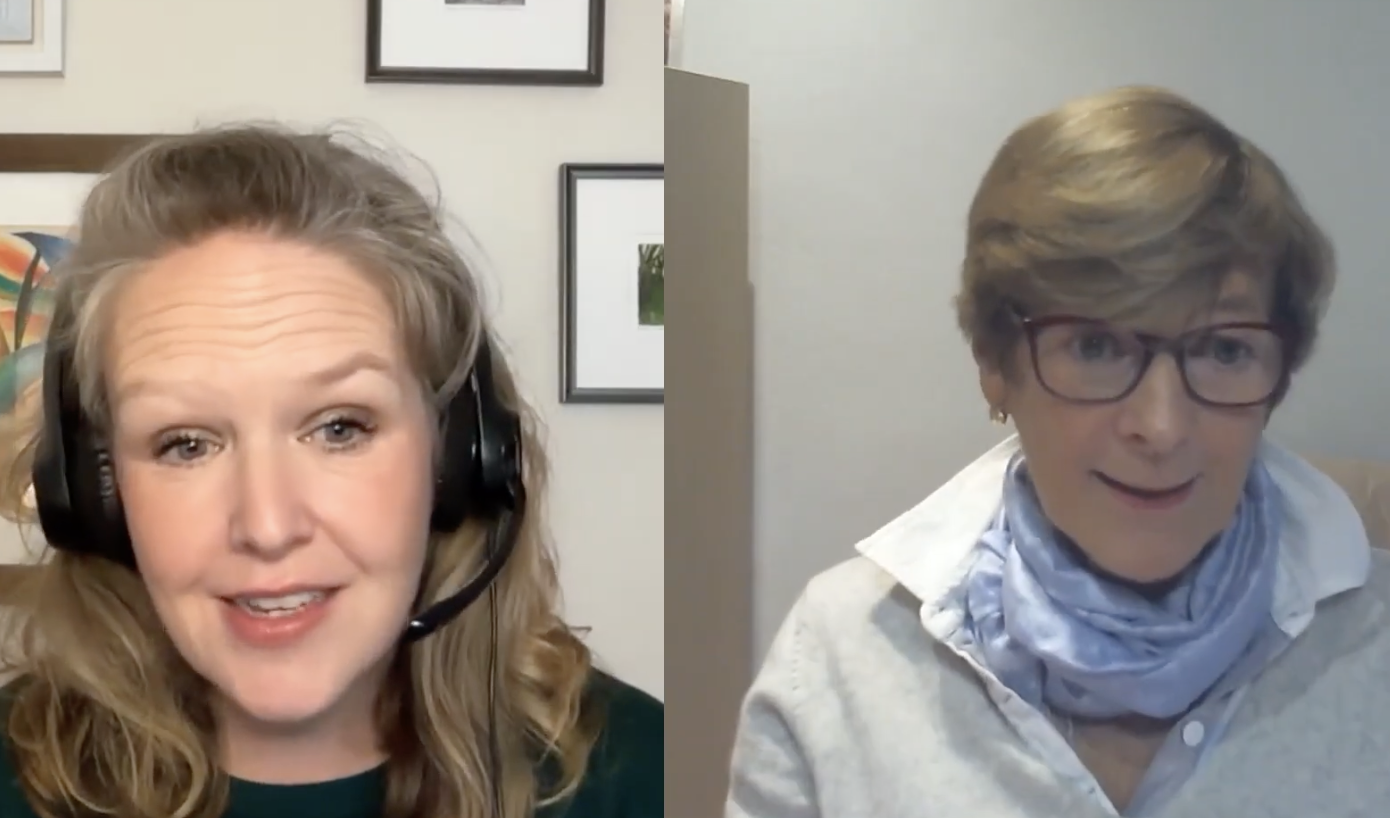
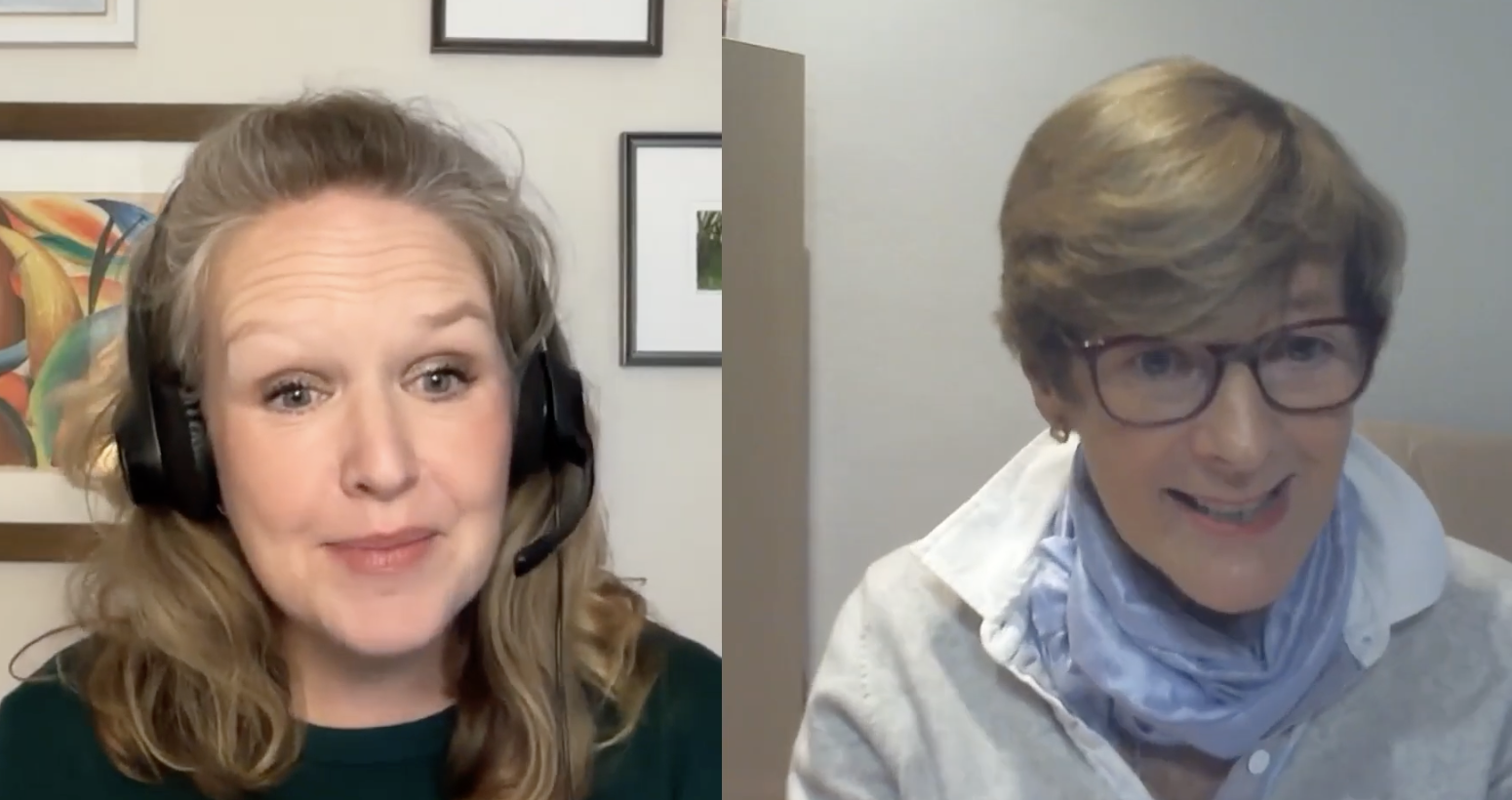
These are some of the moving stories shared in episode 2 of Work Truths: Off the Record, as host and coach Rachel Morris invited Miranda Rock, who's spent four decades with Relate and in private practice, to map what so many of us feel but struggle to name. Her message in the discussion is disarmingly simple yet profoundly urgent: burnout is not a weakness, and recovery begins the moment we talk to somebody.
The Hidden Slope from Pressure to Peril
Miranda’s framing starts with a familiar arc that will resonate with anyone who's ever felt the weight of mounting workplace demands. A little pressure can sharpen performance; living at the peak for too long pushes us over the crest towards burnout. On that downhill slide, people often respond by doing more - arriving earlier, staying later, saying yes to everything - whilst their output quietly declines.
The physiological reality behind this pattern is stark. Chronic stress keeps adrenaline and cortisol elevated, priming the body for fight-or-flight. Over time, this manifests as racing pulse, muscle tension, gastrointestinal disturbance, sleep disruption, and persistent fatigue. Miranda described seeing this every week in her consulting room: sleeplessness, headaches, chest discomfort, weight changes - the body's alarm system stuck "on".
We’re Not Alone
Listening to Miranda discuss her clients’ experiences prompted me to do some basic research. The data paints a sobering picture of how widespread this has become.
Mental Health UK's Burnout Report 2025 reveals that 9 in 10 adults in the UK experienced high or extreme levels of pressure or stress at some point in the past year - identical to 2024 figures, suggesting that this is not a problem that’s going away.
Even more concerning, the Health and Safety Executive's 2024 report shows that work-related stress, depression, and anxiety account for approximately 17.1 million lost working days annually in 2024–2025, representing almost half of all work-related ill health cases.
Understanding Burnout: A Working Definition
The World Health Organization doesn't classify burnout as a medical condition; it's an occupational phenomenon resulting from chronic workplace stress that hasn't been successfully managed. It shows up as three things: exhaustion, mental distance or cynicism, and reduced efficacy. That distinction matters profoundly for employers and HR teams: it anchors burnout in work context and underscores the duty of care to address conditions, not just individuals.
Miranda’s clinical observations align closely with this definition. People near burnout often still show up - feeding the kids, answering emails, making meetings - but describe feeling run by their responsibilities rather than in charge of them. This sense of lost agency and control is a hallmark sign that pressure has tipped into something far riskier, and resonated strongly with me as a listener.
Rachel and Miranda discussed why performance can improve under pressure and then suddenly fall off: a moderate level of arousal can sharpen focus and boost output, but too much overwhelms cognitive control and performance declines. This bell curve explains why burnout is so often missed until people slide past the peak - and why the very ability to identify what’s going on erodes precisely when we need it most.
Warning Signs
Miranda offered a pragmatic and at times uncomfortably recognisable checklist, spanning four domains:
Physical symptoms: include sleep disturbances, persistent headaches, muscle tension, chest discomfort, stomach issues, and a racing pulse. Many of her clients aren't told what's happening physiologically when they finally see a doctor, which can delay both recognition and treatment.
Cognitive changes: manifest as racing thoughts, attention difficulties, indecision, catastrophising, and forgetfulness. People describe feeling "busy" but less productive - a widening gap between hours worked and meaningful progress.
Emotional shifts: include irritability, tearfulness in unexpected places, numbness or cynicism, and a sense of dread on Sunday nights. One of Miranda’s clients described the sensation as "something burning being poured down my back" - language that captures the visceral distress many experience.
Behavioural markers: are equally telling: working earlier and later, skipping breaks and social events you once enjoyed, over-promising and under-delivering, and a sense of being "run by the phone" or calendar rather than in control.
Her coaching to managers mirrors her therapy stance: notice concrete changes, ask privately and specifically, then listen more than you talk. The act of being seen and heard - of having someone notice and care – can have an instant, profound effect.
The Line Between Burnout and Breakdown
As the conversation developed, Rachel and Miranda went on to explore a distinction that many miss. Burnout narrows capacity and dims functioning; breakdown means you can't function. That can look like non-stop tears you can't control, losing the confidence to drive, being unable to decide what to wear, or - in a worst case - literally collapsing at work and waking up in hospital.
Prior to complete breakdown, people are still functioning, though increasingly poorly. At breakdown, they can't: they miss the school concert, fear getting behind the wheel, or find themselves in A&E with chest pain. Across clients and contexts - individuals, couples, supervisees - Rock sees the same pattern: overextension at work plus pressures at home erodes resilience. It's not about weakness; it's about cumulative load and timing.
When you're edging into burnout, self-care decisions like "turn off the phone this weekend" still feel possible. Once you're near breakdown, your mind insists the only responsible path is to work harder - precisely the opposite of what helps. That's precisely when external, compassionate interruption is needed most.
Therapeutic Help
Therapy, especially cognitive behavioural approaches, can recalibrate perceptions: reframing all-or-nothing beliefs, normalising temporary workload adjustments the same way we'd make allowances for a broken arm, and reconnecting people with resources and limits.
Research supports this approach. Studies show that cognitive behavioural therapy (CBT) has demonstrated benefits for burnout symptoms in randomised trials, including improved sleep quality and perceived competence - two mediators linked to symptom reduction. Group-based CBT variants for specific professions also show improvements across core burnout dimensions at follow-up.
During the course of the conversation Miranda offered a wide range of practical steps to consider when addressing burnout. I’ve tried to capture the key ideas as follows:
What Employers Should Do: Practical Interventions
For leaders, the starting point is structural: if work design fuels chronic time pressure, unclear goals, or unfair treatment, no amount of self-care will offset it. Instead it needs to be addressed at a systemic level, offering the right levels of resource and support, whilst working with realistic demands and expectations.
For managers and HR, the starting point is deceptively simple: start with observable facts and ask what would help right now.
Offer short-term adjustments: these will signal support without passing judgement: consider changes, deadline extensions, coverage arrangements, pairing with a more experienced colleague, or temporary hour reductions. Signal clearly that this is short-term support, not a verdict on capability.
Offer Support and Care options: Make Employee Assistance Programmes (EAPs), therapist lists, or facilitated access to counselling readily available and normalise their use.
Install a check-in cadence: Being seen lowers stress load; consistency rebuilds trust. If a team member insists they're fine, regular check-ins every couple of days can become a crucial safety net.
Treat mental and physical health equally: Miranda’s analogy resonates precisely because it's fair: if it were a fracture, you'd reduce load whilst healing; do the same with mental health.
How to Check In with Someone You're Worried About
People near burnout often deflect help with "I'm fine". Miranda recommended a private, specific, and non-judgemental approach that anyone can adopt. These are therapist-informed ideas, but require no clinical training, only courage and compassion.
Pick your moment and place. A hallway "you okay?" won't cut it. If a stressed colleague can't spare a coffee, ask for five minutes in a quiet room.
Lead with observed facts, not opinions. Try: "I've noticed you've been online late at night and in by 7:30 most days," or "I saw your eyes well up in the meeting," or "You used to join us for lunch, and lately you've skipped all of them".
Ask curious, open questions. "What's on your plate right now?" "What feels most out of your control?" "How are you sleeping?"
Normalise help. "If this were a broken leg, we'd make adjustments without hesitation," or "You don't have to carry this alone - can we loop in your manager or HR?"
Follow up gently but consistently. Awareness that someone is monitoring and cares can itself lower pressure.
Practical Steps You Can Take This Week
At the end of their conversation, Miranda offered some simple suggestions for practical steps to take in the face of burnout:
If you're struggling: Tell someone today - your GP, a therapist, your EAP, your manager, or a trusted colleague. Silence amplifies shame and narrows options. Run a "vital signs" check weekly: sleep quality, physical tension, mood swings, and whether effort is translating into output. Name one boundary to restore this week - no email after 7pm, a real lunch away from the desk.
If you're a colleague: Document concrete changes you notice and ask for five minutes in private with your colleague to discuss them. Use facts, ask open questions, and listen. Follow up.
If you're a manager: Notice and initiate two-way conversations. Adjust levers you control. Train yourself and your team leaders to spot and address risk early.
If you're in HR: Publish a one-page "how to get help" guide, increase EAP session access or other support, and encourage sensitive conversations.
A Final Note - The Hopeful Part Too Many Miss
Miranda delivered perhaps the most important message of the entire episode when she stated that she’d "never had a client who didn't recover from burnout" when work support and therapy were in place. Many come back wiser - better at noticing early signals in themselves and more attuned to others. That post-burnout clarity is a powerful cultural asset if organisations make space for it.
Recovery is absolutely possible, but it requires compassionate help. For individuals, it means seeking help sooner. For leaders and organisations, it means building cultures where asking for help is a mark of maturity, not a liability.
If you want to subscribe and listen to this and other episodes, you’ll find Work Truths: Off the Record wherever you listen to podcasts, or here: